
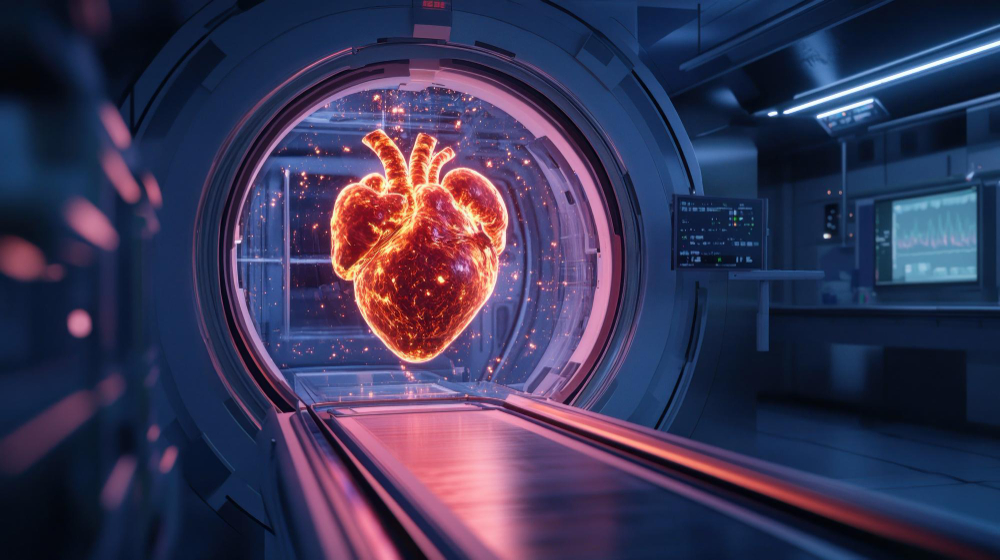
What is CT Coronary Angiography?
CT coronary angiography is a non-invasive heart test. It uses a special scanner to take pictures of your heart’s arteries. Doctors use this test to check for blockages or narrowing in the arteries. These arteries supply blood to your heart muscle. Because the test is non-invasive, it does not require surgery or long recovery time.
How Does CT Coronary Angiography Work?
During this heart scan procedure, a CT scanner takes many images of your heart. First, a nurse injects a dye into your arm. This dye helps highlight the arteries on the images. As a result, doctors can see if there are any blockages or problems. The scanner works quickly, so the test usually takes less than an hour. Most people find the process simple and painless.
Who Should Consider CT Coronary Angiography?
Not everyone needs this test. However, your doctor may suggest it if you have symptoms like chest pain or shortness of breath. Sometimes, people with a family history of heart disease may also need it. In addition, those with risk factors such as high blood pressure, diabetes, or high cholesterol might benefit. If you have unclear results from other heart tests, your doctor may recommend this imaging test.
Benefits of CT Coronary Angiography
CT coronary angiography offers several advantages. For example, it is non-invasive and does not require surgery. Also, the test is quick and usually does not need a hospital stay. Because the images are detailed, doctors can spot problems early. Early detection can help prevent heart attacks and other serious issues. Many people prefer this test because it is less risky than traditional angiography.
Risks and Limitations
Even though CT coronary angiography is safe, there are some risks. For instance, the dye used can cause allergic reactions in rare cases. People with kidney problems should talk to their doctor before the test. The scan also uses a small amount of radiation. While the risk is low, it is not zero. Sometimes, the images may not be clear if your heart beats very fast or if you have a lot of calcium in your arteries.
How to Prepare for the Test
Before your heart scan procedure, your doctor will give you instructions. Usually, you should not eat or drink for a few hours before the test. Sometimes, you may need to avoid caffeine or certain medicines. If you have allergies or kidney problems, tell your doctor. Because preparation is important, follow all instructions carefully. This helps ensure the best results.
What to Expect During and After the Procedure
When you arrive, a nurse will place an IV in your arm for the dye. Next, you will lie on a table that moves into the CT scanner. The scanner will take pictures as you hold your breath for a few seconds. Because the test is quick, most people finish in less than an hour. After the scan, you can usually go home right away. Drink plenty of water to help flush the dye from your body. If you feel unwell or notice a rash, contact your doctor.
Understanding Your Results
After your CT coronary angiography, a doctor will review the images. If there are blockages or narrowing, your doctor will explain what this means. Sometimes, you may need more tests or treatment. However, if your arteries look healthy, you may only need regular check-ups. Your doctor will discuss the next steps with you. Always ask questions if you do not understand your results.
Prevention and Heart Health Tips
Even if your heart scan procedure shows healthy arteries, it is important to care for your heart. For example, eat a balanced diet with plenty of fruits and vegetables. Exercise regularly, even if it is just a daily walk. In addition, avoid smoking and limit alcohol. Managing stress and getting enough sleep also help. Because regular check-ups catch problems early, see your doctor as advised.