
What Is CT Angiography?
CT Angiography is a special medical test. It uses a CT scanner and a contrast dye to take clear pictures of blood vessels. Doctors use this test to check for problems in arteries and veins. Because it is quick and detailed, CT Angiography helps find blockages or other issues. This test is also called a CT Angiogram.
Why Is CT Angiography Done?
Doctors order CT Angiography for many reasons. For example, it helps find blocked or narrowed blood vessels. Sometimes, it checks for aneurysms, which are weak spots in blood vessels. In addition, it can look for blood clots or other problems. CT Angiography is often used to:
Because it is non-invasive, many people prefer this test over traditional angiography.
How Does CT Angiography Work?
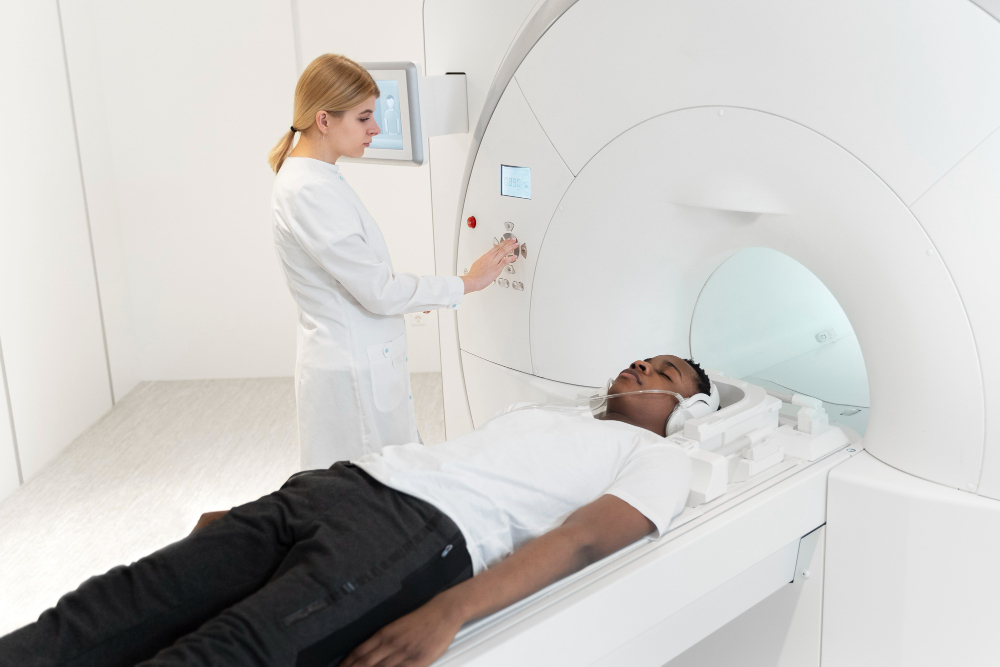
CT Angiography uses a CT scanner, which is a large, doughnut-shaped machine. First, a special dye is injected into a vein, usually in your arm. This dye makes blood vessels show up clearly on the scan. Next, you lie on a table that slides into the scanner. The machine takes many X-ray pictures from different angles. Then, a computer combines these images to create detailed pictures of your blood vessels. As a result, doctors can see any problems quickly and clearly.
Preparation for CT Angiography
Proper CT Angiography preparation helps ensure clear results. Your doctor will give you instructions. However, here are common steps to follow:
Because preparation may vary, always follow your doctor’s advice.
What to Expect During the Procedure
On the day of your CT Angiography procedure, you will check in at the imaging center. After that, a nurse will place an IV in your arm for the contrast dye. You may feel a warm or cool sensation as the dye enters your body. Next, you will lie on a table that moves into the CT scanner. The technologist will ask you to hold your breath for a few seconds during the scan. The test usually takes 30 minutes or less. After the scan, you can often return to normal activities right away.
Risks and Safety Information
CT Angiography is generally safe, but there are some risks. It is important to know about possible side effects:
Most people have no problems. However, tell your doctor if you have allergies or kidney issues. According to the CDC and WHO, the benefits of CT Angiography often outweigh the risks for most patients.
Results and Next Steps
After your CT Angiography, a radiologist will review the images. Then, your doctor will discuss the results with you. If the test finds a problem, your doctor will explain your treatment options. Sometimes, more tests may be needed. In many cases, CT Angiography helps doctors make quick and accurate decisions about your care.
Frequently Asked Questions
Key Takeaways
In summary, CT Angiography is a valuable tool for checking blood vessel health. Consult a radiology specialist at Chinmay MRI Scan to learn if CT Angiography is right for you.