What is Mammography?
Mammography is a special type of X-ray. It helps doctors find early signs of breast cancer. With mammography, doctors can see changes in breast tissue before you feel a lump. Because early detection is important, mammography screening guidelines are set by health experts. The World Health Organization (WHO) and the Centers for Disease Control and Prevention (CDC) both recommend regular screenings for certain groups.
Who Needs Mammography?
Not everyone needs a mammogram at the same age. However, most women should consider it as they get older. According to the CDC, women aged 40 to 74 benefit the most from regular screenings. Still, some women may need mammograms earlier. For example, those with a family history of breast cancer or certain genetic risks may start sooner. Men usually do not need mammograms unless they have a high risk of breast cancer.
For more details, talk with your healthcare provider. They can help decide if you need a mammogram based on your risk factors.
When to Start Mammography Screenings
When to start mammograms depends on your age and risk. Most guidelines suggest starting at age 40. However, some groups may start at 45 or 50. The American Cancer Society suggests women ages 40 to 44 can choose to start yearly mammograms. Women ages 45 to 54 should get them every year. After age 55, women can switch to every two years or keep going yearly. If you have a higher risk, your doctor may recommend starting earlier. Always ask your doctor about the best time for you.
What to Expect During a Mammogram
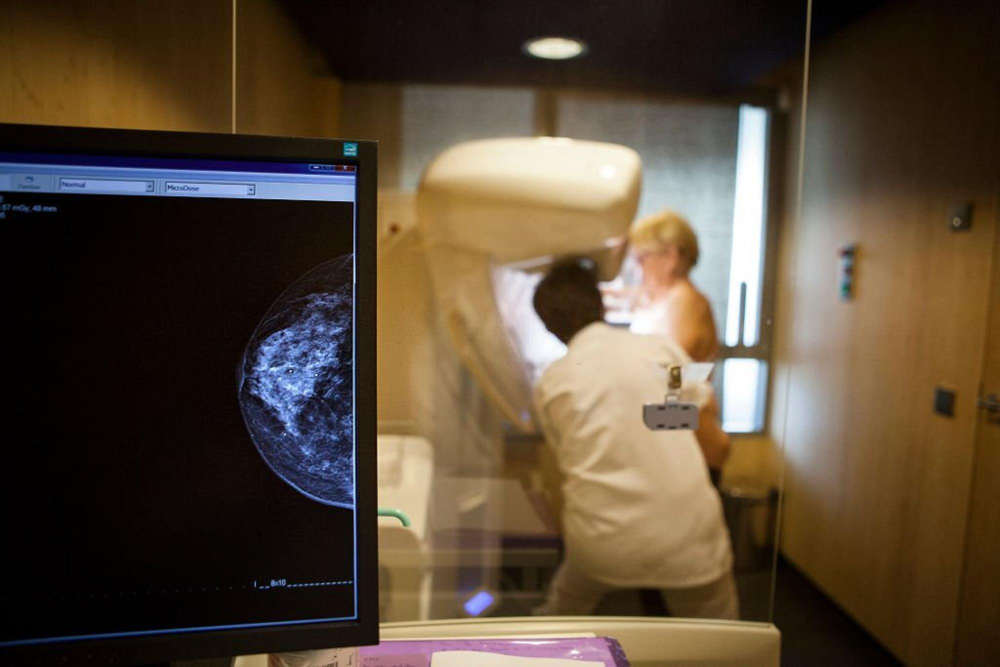
Many people feel nervous before their first mammogram. But knowing what to expect during a mammogram can help. First, you will stand in front of a special X-ray machine. Next, a technologist will place your breast on a flat surface. Then, another plate will press your breast gently but firmly. This helps spread out the tissue for a clear image. Each breast is checked one at a time. The whole process usually takes about 20 minutes. While some pressure or discomfort is normal, it should not last long. If you feel pain, let the technologist know right away.
Benefits and Risks of Mammography
Mammography has many benefits. For instance, it can find breast cancer early, when it is easier to treat. Early detection can save lives. However, there are some risks. Sometimes, mammograms show something that looks like cancer but is not. This may lead to more tests or worry. Rarely, mammograms miss some cancers. Also, the X-ray uses a small amount of radiation. But experts agree the benefits outweigh the risks for most women. According to the CDC and WHO, regular mammograms lower the risk of dying from breast cancer.
How to Prepare for Your Mammogram
Preparing for your mammogram can make the visit easier. First, try to schedule your appointment when your breasts are not tender. For many women, this is about a week after their period. On the day of your test, do not use deodorant, powder, or lotion under your arms or on your breasts. These can show up on the X-ray and cause confusion. Wear a two-piece outfit, so you only need to remove your top. Bring any past mammogram images if you have them. This helps the doctor compare results. If you have breast implants, tell the staff before your appointment. They may need extra images for a clear view.
Consult at Chinmay MRI Scan if you notic any lumps