
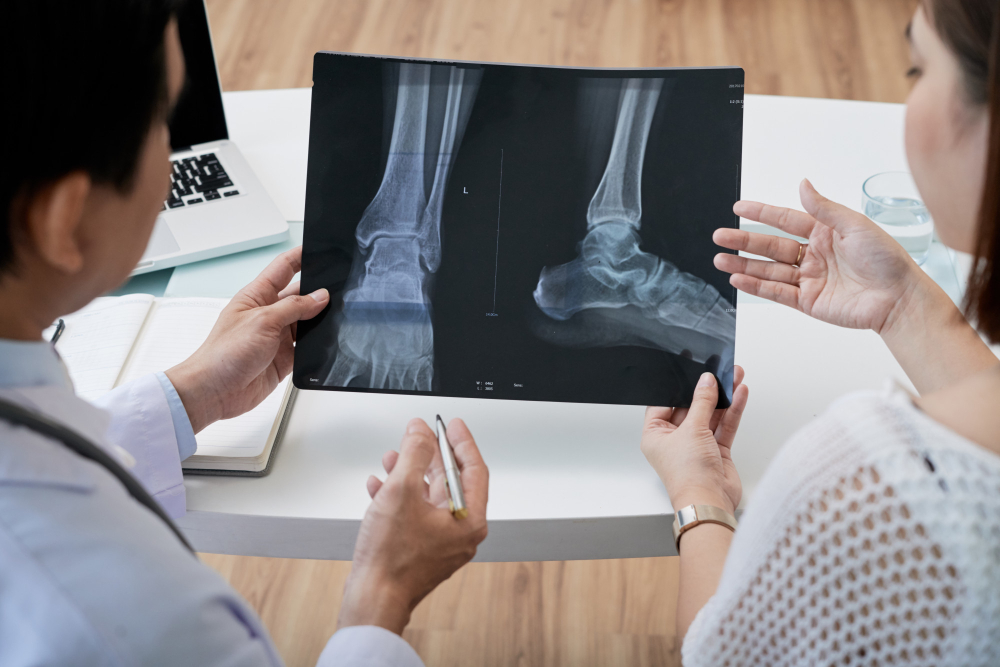
What is a Bone Density Scan DEXA
A bone density scan, also called a DEXA scan, is a safe and simple test. It measures how strong your bones are. Doctors use this scan to check for osteoporosis. Osteoporosis is a condition where bones become weak and break easily. Early osteoporosis detection is important. With a DEXA scan for osteoporosis, you can find out if your bones are at risk before a fracture happens.
Why Early Detection of Osteoporosis Matters
Osteoporosis often has no signs until a bone breaks. However, early detection can help prevent bone fractures. If you know your risk, you can take steps to protect your bones. For example, you may start treatment or change your lifestyle. According to the World Health Organization, millions of people worldwide have osteoporosis. Many do not know they have it. Therefore, a bone density scan can help you stay ahead of the problem.
Symptoms and Risk Factors for Osteoporosis
Most people with osteoporosis do not feel any symptoms at first. But as bones get weaker, you may notice:
Some people have a higher risk of osteoporosis. These risk factors include:
Because of these risks, it is wise to talk to your doctor about a DEXA scan for osteoporosis.
How a DEXA Scan Works
A DEXA scan uses low-dose X-rays to check bone strength. The scan is quick and painless. You lie on a table while a machine passes over your body. It measures bone density, usually at the hip and spine. The whole process takes about 10 to 20 minutes. Since the scan uses very little radiation, it is safe for most people. Your doctor will use the results to see if you have osteoporosis or are at risk.
Preparing for a Bone Density Scan
Getting ready for a bone density scan is easy. Most people do not need to do much. Still, here are some tips:
Because the scan is simple, you can return to your normal activities right after.
Understanding Your DEXA Results
After your DEXA scan, you will get a score. This score shows how strong your bones are. The main results are:
A T-score above -1 is normal. A score between -1 and -2.5 means low bone mass. A score below -2.5 means osteoporosis. Your doctor will explain what your score means for you. If your bones are weak, you can start steps to prevent bone fractures.
Treatment and Prevention Strategies
If you have osteoporosis or low bone mass, do not worry. There are many ways to help your bones. Your doctor may suggest:
With early osteoporosis detection, you can lower your risk of broken bones. However, always follow your doctor’s advice for the best results.
Lifestyle Tips for Stronger Bones
Besides treatment, healthy habits can keep your bones strong. For example, you can:
Because small changes add up, start today to protect your bones for life.
Conclusion
In summary, a bone density scan or DEXA scan for osteoporosis is a simple way to check bone health. Early osteoporosis detection can help prevent bone fractures. If you have risk factors or symptoms, talk to your doctor. Consult at Chinmay MRI Scan to learn if a bone density scan is right for you.